Ableton
New to Live or deep into Push, there's something here. A basics run from topology through recording and exporting, then the device deep-dives and routing tricks we keep going back to.
89 articles
Working with Video
Live will import video, show it while you work, and export it with your audio. Enough to score a short film, cut a trailer, or sync a set to visuals.
Read →Link, Tempo Follower and MIDI Sync
Playing in time with other people, other software and other machines. Link over a network, Tempo Follower chasing a live drummer, and old-fashioned MIDI clock.
Read →Drift: Subtractive, Done Properly
The subtractive synth that sounds analogue without pretending to be a vintage model. Two oscillators, one filter, and the modulation section that makes it worth the CPU.
Read →Multisampling with Sampler
Building a playable instrument out of your own recordings: how many samples, where to put the split points, velocity layers, round-robin, and importing third-party libraries.
Read →Racks in Depth: Zones, Chains and Macro Variations
Racks past the basics. Key and velocity zones, chain select, macro variations as snapshots, randomising macros, and extracting a chain back out.
Read →Drum Sampler
The drum-specific sampler: one sample, the controls that matter for a hit, and nothing else. What it does that Simpler does not.
Read →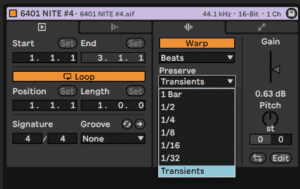
Granular: Beat Mode, Warping Using Quantized
The Beats mode is particularly useful for rhythmic material, while the Tones and Texture modes can create more abstract, atmospheric or also gated sounds.
Read →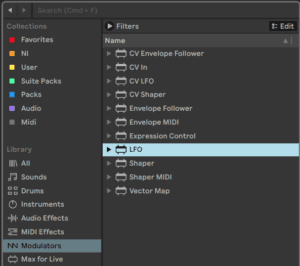
M4L Devices: M4L Modulators
With these M4L Modulators we can control just about any parameter of Live’s instruments, effects, as well as the controls of the Mixer!
Read →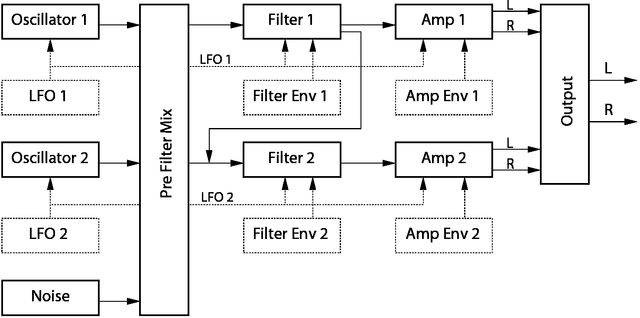
Sub: Ableton’s Analog: Oscillators
Select Instrument in Browser’s side pane and use the Filter to display the Virtual Analog Synthesizers we have in Live12 Suite. Analog is great way to…
Read →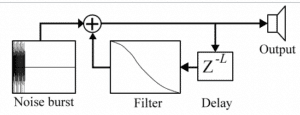
PM: Physical Modeling Synthesis
With PM we can create quasi acoustic sounds, such as a plucked guitar, string, flute or drum hit. But other than with samplers we can also tweak…
Read →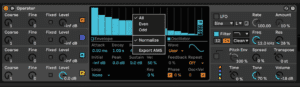
Additive synthesis: in Operator
Additive synthesis is a type of synthesis that involves the creation of complex waveforms by combining simple sine waves, called harmonics, in specific…
Read →The Max for Live Utilities Worth Knowing
You do not need to open Max to use Max. Six bundled devices - Envelope Follower, LFO, Shaper, Expression Control, Note Echo and MPE Control - that do things Live cannot do otherwise.
Read →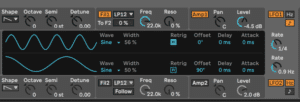
Sub: LFO, Polyphony, Unison and Glide
LFO stands for Low-Frequency Oscillator, which is a type of oscillator used to generate a repeating waveform at a low frequency, typically below the range…
Read →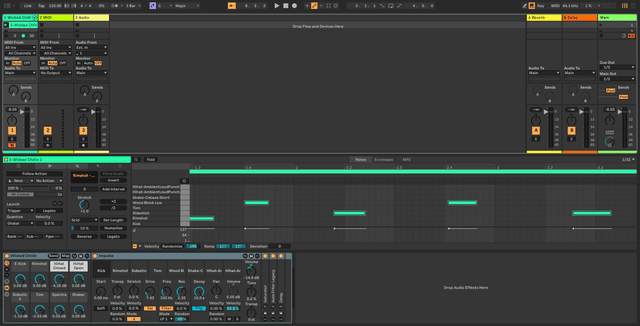
Warping Loops and Using the Browser
Creating Markers, Adjusting Waveform Position and Quantising.For this Warping exercise load from Samples/Loops e.g from: Core/Samples/Acoustic or…
Read →Follow Actions in Depth
Follow Actions past the basics: cycles, probability, non-repeating structures, and using them to build a set that plays itself.
Read →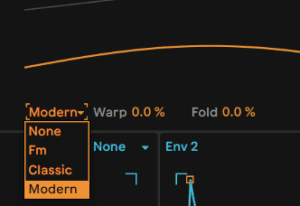
Wave: Oscillator Effects
Oscillators are often equipped with various Oscillator Effects tp modify and shape the waveforms.They are not effects in the common sense of the word but…
Read →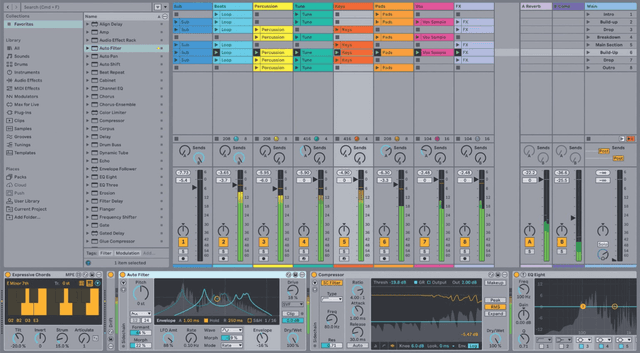
Session and Arrangement View, Workflow and Warping Basics
Ableton is unique. Unlike other software based sequencer programs, Live is designed around the notion of being as much a real-time instrument better…
Read →Scales, Key and Tuning Systems
Set the key once and the whole set follows - the note editor, the devices, the browser. Plus what to do when equal temperament is not what you want.
Read →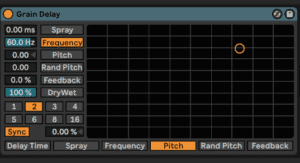
Granular: Grain Delay
The Grain Delay effect slices the input signal into tiny particles (grains) that are then individually delayed and can also have different pitches…
Read →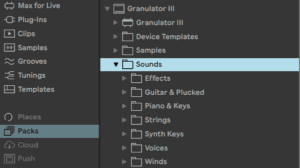
Granular: Granular Synthesis with Granulator III
Granulator Ill is the latest evolution of Robert Henke’s legendary granular sampler, built with a strong focus on modulation and expression.
Read →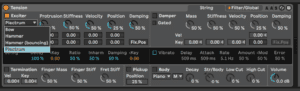
PM: Tension
Tension is a physical modeling synthesis instrument in Ableton Live that is specifically designed to create realistic string and plucked instrument…
Read →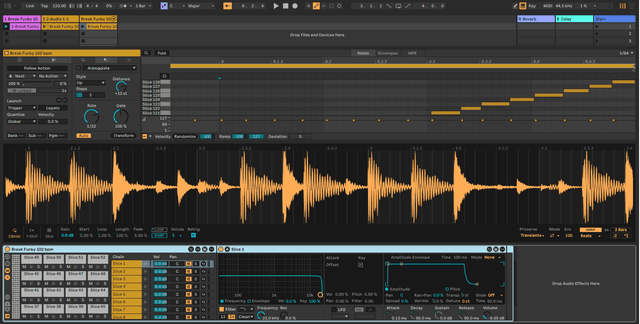
Intro to Simpler and Drum Racks
Simpler is an instrument that integrates the basic elements of a sampler capable of warping and slicing loops with a set of classic synthesizer…
Read →Where MIDI Timing Error Comes From
Why MIDI is never perfectly tight, which parts of the chain Live controls and which it does not, and what to do about the ones it does.
Read →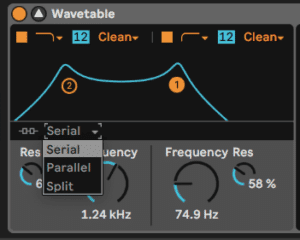
Wave: Multiple Filters with Different Routings
It is common to use multiple filters with different routings to shape the sound. The filters can be placed in series or in parallel, or a combination of…
Read →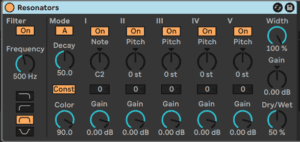
Creative Audio Effects: Resonators
This is a legacy instrument in Live but it still packs a punch for interesting sound design, turning non tonal sound sources into musical chords or even…
Read →Clip Envelopes as LFOs
The most underused feature in Live. Unlink a clip envelope from its clip and it becomes a free-running modulator of any length - long evolving loops out of short ones, rhythm patterns imposed on samples.
Read →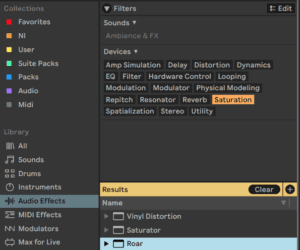
Waveshaping with Roar: Saturation, Dist
Roar is a saturation effect that is capable of adding overtones and color or extreme distortion and glitchy effects.It features several non-linear…
Read →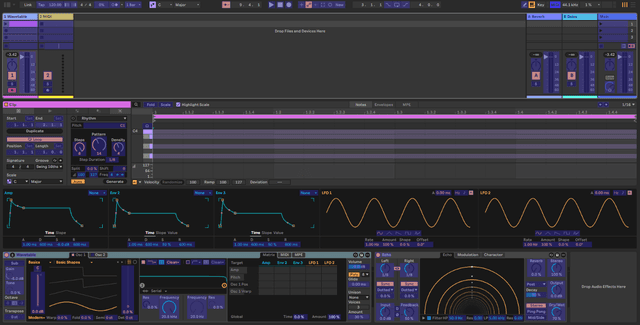
Mapping for Remote Control
Clips can be launched using MIDI notes, either from a keyboard or trigger pads, or from computer keystrokes. Most of the Clip launch modes (all but…
Read →Mapping Key and Velocity Zones in Sampler, Looping
How to map key zones and velocity zones in Ableton's Sampler, and how its sustain and release loops work - from the Ableton Advanced course notes.
Read →Comping: Take Lanes
Record the part ten times, then build the best version out of all of them. Take lanes, comping, and the shortcuts that make it fast.
Read →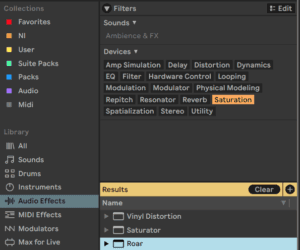
Saturation, Distortion and Lo-Fi
Roar has its own chapter. This is everything else Live gives you for making a sound dirty - Saturator, Overdrive, Redux, Dynamic Tube, Pedal, Amp and Vinyl Distortion, and which to reach for when.
Read →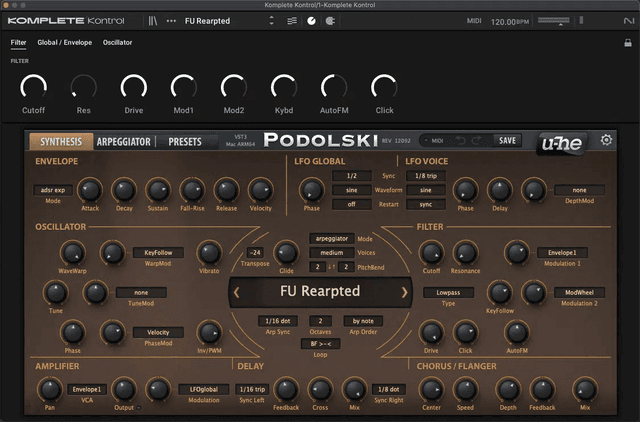
Using Third Party Plugins
Audio plug-ins are installed in the OS, not for each application. So there’s no worry about Logic 8 or 9, or any other app which can use the same…
Read →
Mixing Basics, Grouping and Routing
Learning to mix is also an art that takes time and practice. Mixing is all about listening. The best way to get better at is is to listen. A lot.
Read →What Live Does and Does Not Change
Ableton publishes exactly which operations in Live are bit-transparent and which alter the audio. Some of it is surprising, and all of it is worth knowing before you argue about it online.
Read →
Recording Audio and Warping Full Tracks
Unless you are only using your computer’s built-in microphone (where you don’t really have much in the way of options), you need to be able to tell Live…
Read →
Granular: Filter, Modulators and Capture
Two SVF filters in series provide 9 complex filter modes. The filter section can be turned off when not needed to save CPU. The modes are 24dB lowpass,…
Read →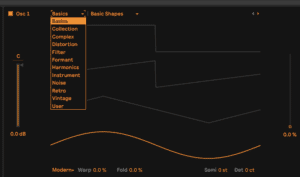
Wave: Wavetable Categories
Unlike what we’ve seen in Analog that only uses a few basic waveforms as a source, Wavetable has two special type oscillators that contain hundreds of…
Read →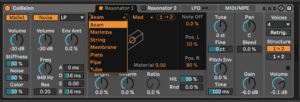
PM: Collision and Corpus: Sound Design
Collision is a physical modeling synthesizer in Ableton Live that simulates the behavior of different resonant objects, allowing for the creation of…
Read →Hybrid Reverb
Convolution and algorithmic reverb in one device, blended. Real spaces for the early reflections, a synthetic tail behind them - and why that combination sounds better than either alone.
Read →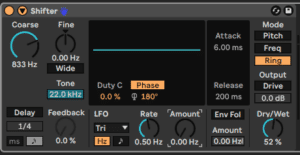
Creative Audio Effects: Shifter
Shifter is a multi-purpose pitch and frequency-shifting audio effect that can be used to add ring modulation to incoming audio or to shift the pitch or…
Read →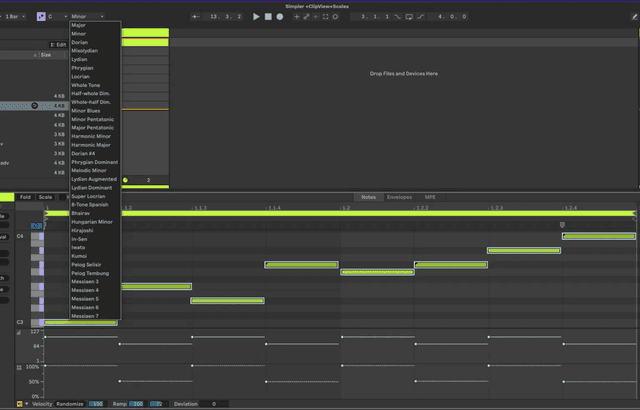
MIDI Recording of Melodic Instruments
All the recording and techniques we used when recording Drums in Impulse also apply here, however now we’re also dealing with notes and note duration
Read →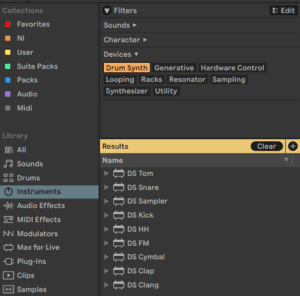
M4L Devices: M4L Drum Synths
DS Clang consists of two separate tones, white noise and a filter, allowing you to create a variety of cowbell, clave and noise percussion sounds.
Read →
Macro Synthesis with Meld
Meld is the latest addition to Ableton's Instruments and it features a novel design featuring two Macro Oscillators and lots of modulation possibilities…
Read →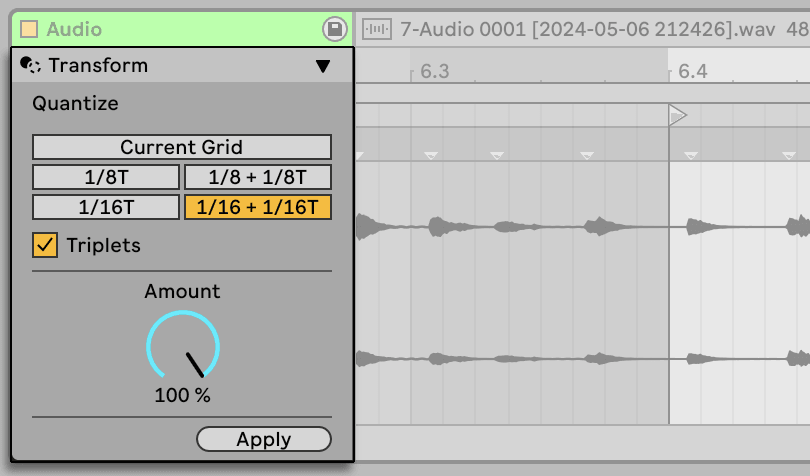
MIDI Generators and Transformations
Two tabs in the Clip View that write and rewrite MIDI for you - Seed, Rhythm, Stacks, Euclidean patterns, Strum, Ornament, Recombine, Connect. Where to find them and what each is for.
Read →
Sampler: Create the ultimate drum rack
The Sample Select feature in Ableton Live can be used to select from multiple loaded samples that are mapped across the keyboard and you can then macro…
Read →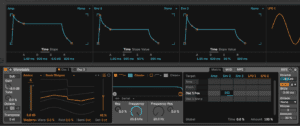
Wave: Auditioning Wavetables Using an Envelope
Auditioning wavetables using an envelope is a particularly useful technique when working with wavetable synthesis, as it allows you to explore the full…
Read →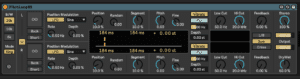
Creative Audio Effects: PitchLoop89
PitchLoop89 is a Max for Live audio effect developed by Dillon Bastan that can create various pitch shift effects and glitchy sounds. It is based on the…
Read →CPU, Disk Load and Track Freeze
What is actually costing you, how to read the meters, and the three moves that fix nearly every performance problem.
Read →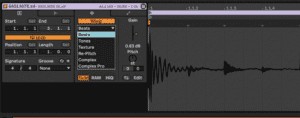
Granular: Creative Time Stretching
is a technique used to manipulate audio samples to create unique and interesting sound design.
Read →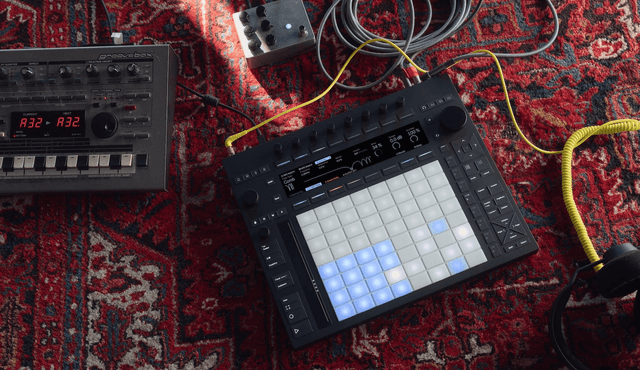
Auto Shift
This audio effect is great to autotune vocal tracks to either make subtle pitch correction or to create more audible synthetic artifacts.
Read →
Filter, LFO FX and Modulation Matrix
The Filter effects are variable and found as either Macro 1 or 2 in the mod matrix. They vary depending on which of the 17 filter options you have…
Read →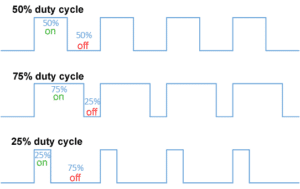
Pulse Width Modulation and Serial Filtering
Pulse wave modulation (PWM) is a technique used to manipulate the pulse width of a waveform, typically of a square wave. PWM can be used to create subtle…
Read →
Sampler: AUX Env and LFOs
AUX Env and LFOs are powerful modulation tools available in Ableton’s Sampler. They allow you to shape and modulate the sound of your samples in various…
Read →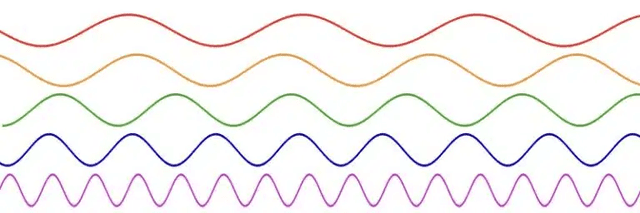
Sub: Waveforms and Harmonics, Sine
Sound is a vibration transmitted thru a solid, liquid or gas (the air). Like the ripples in a pond sound waves will spread, hit our ear drums and this…
Read →Spectral Resonator and Spectral Time
Two effects that work on the frequency spectrum rather than the waveform. Resonator turns anything pitched; Spectral Time freezes and smears it. The most distinctive processors Live ships.
Read →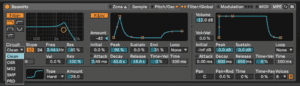
Sampler: Filter, Drive and Shaper
The Filter in Ableton’s Sampler is a powerful tool for shaping the sound of your samples. It allows you to apply a variety of filters to your samples. In…
Read →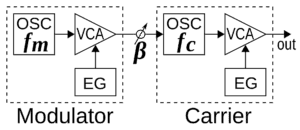
FM: Ableton’s FM synth: Operator Overview
FM: Ableton’s FM synth: Operator Overview — part of the Ableton Advanced course notes taught at Garnish Music Production School.
Read →Stem Separation
Pull the drums, bass, vocals and everything else out of a finished stereo file, straight in the browser. What it is good at, what it is not, and what to do with the results.
Read →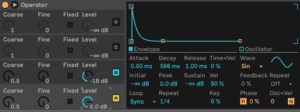
FM: Making FM Drum Sounds
FM synthesis can be a powerful tool for creating drum sounds that are unique and dynamic. Here are some general tips to help you create your own FM drum…
Read →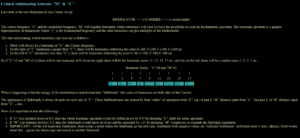
FM: Intro to FM
FM synthesis (frequency modulation synthesis) is a method of sound synthesis that uses one or more modulating oscillators to manipulate the frequency of…
Read →
FM: Algorithms, Filter
The bottom Operators are directly connecting to the output and their envelopes control volume over time. In FM terms they are Carriers.
Read →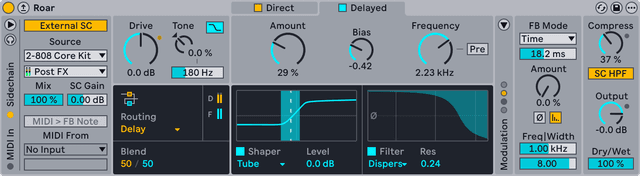
Audio and MIDI Effects and Racks
This audio effect is one of our primary go-to tools when it comes to the creative filtering of any type of audio signal.
Read →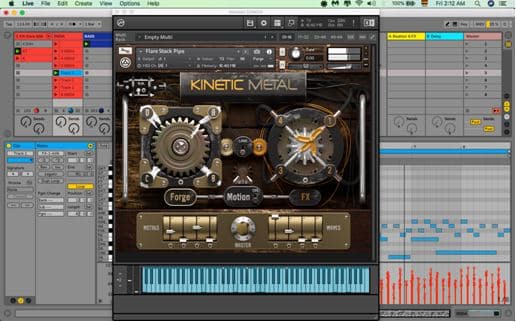
Kinetic Metal
A Kontakt instrument built from struck and bowed metal - ethereal textures and tonal percussion, with a Forge morph knob for blending presets.
Read →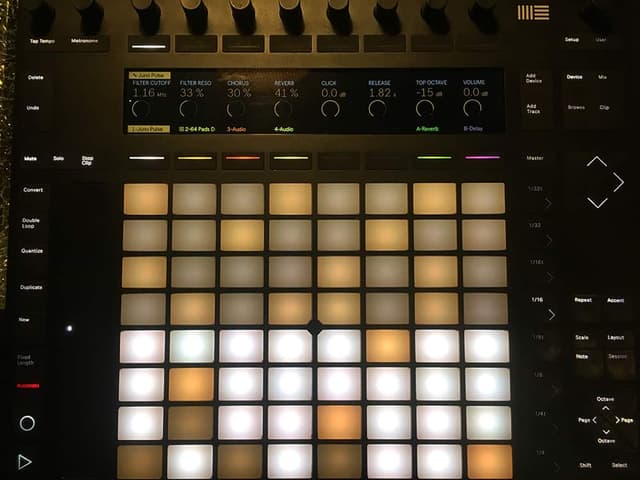
Melodic Sequencer + 32 Notes Push Layout
Push's Melodic Sequencer + 32 Notes layout puts step sequencing and real-time playing on one grid - good for chords and longer phrases.
Read →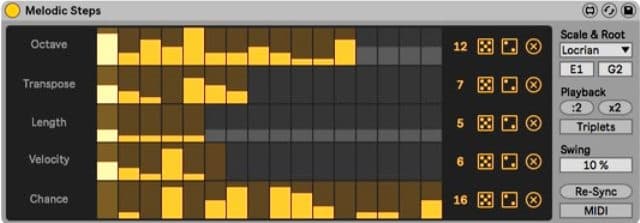
Melodic Steps Sequencer
A fast, playful MIDI sequencer from Ableton's free Creative Extensions pack - evolving melodies, polyrhythms and randomisation in a few clicks.
Read →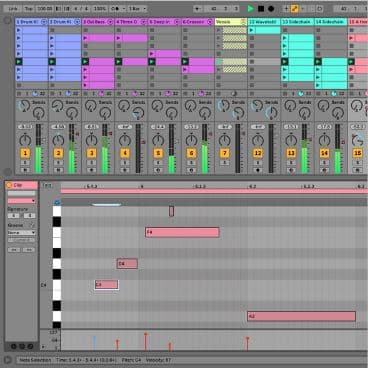
How to Connect Hardware to Ableton Live
Live allows for seamless integration of external gear such as synthesizers, drum machines and samplers through the use of MIDI.
Read →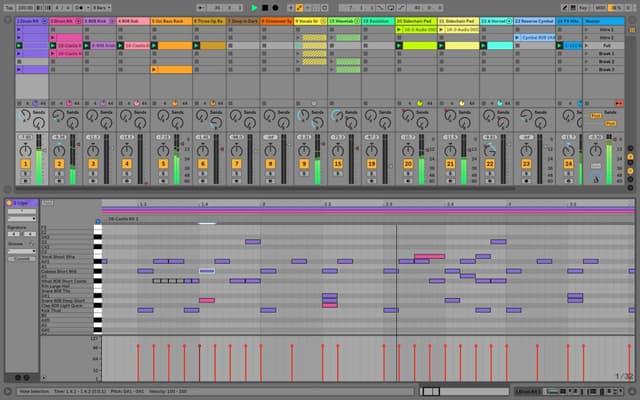
Poli
A virtual analog polysynth from Ableton's free Creative Extensions pack - detunable oscillators, twin filters and a built-in chorus.
Read →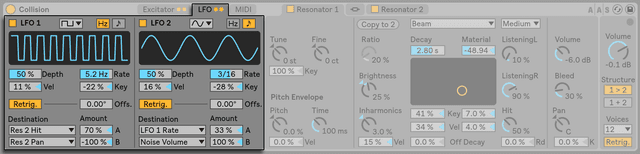
Drifting LFOs
Set LFOs slightly off a synced value so they drift against each other - evolving movement instead of an obvious loop.
Read →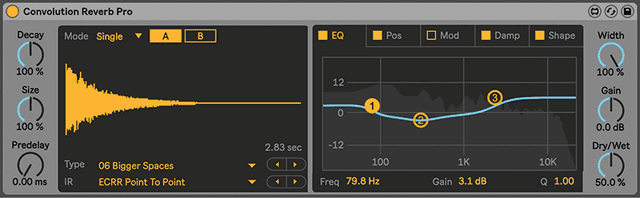
Creative Convolution Reverb in Ableton Live
Ableton's Convolution Reverb samples real spaces and hardware - and reversed or tweaked, it becomes a sound design tool in its own right.
Read →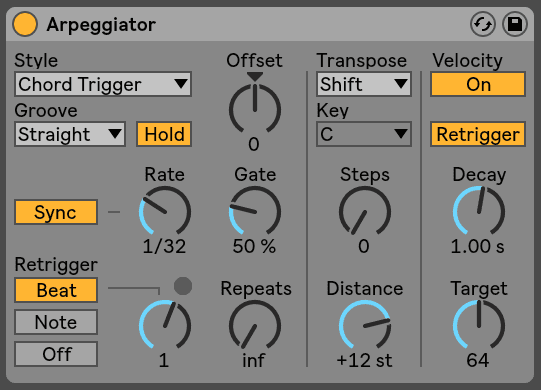
Arpeggiate the Arpeggiator
Chain one Arpeggiator into another, then a third - what happens when you arpeggiate an arpeggio, and how to keep it musical.
Read →
Top 10 Ableton Features
Ten small Ableton features that hide in plain sight - oversampled EQ, 'copy value to siblings', auto-backup and Saturator's built-in filters.
Read →
Capture with Push
Capture retroactively records the MIDI you just played, so an improvisation you never hit record for isn't lost. How it works, and its limits.
Read →
Ableton Live Dry/Wet Knob
Some Ableton effects have no dry/wet control. Here's how to build one with an audio effect rack, two chains and a mapped macro knob.
Read →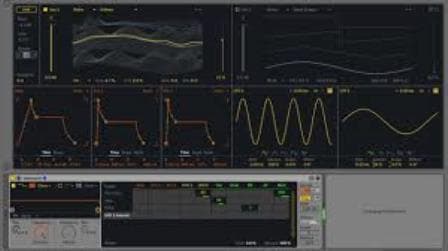
Noisy Strings
Sound design in Ableton's Wavetable synth - slow amp envelopes and free-running LFOs that keep the texture moving.
Read →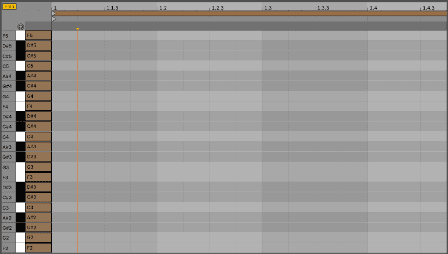
Stay in Key
A Fold-button trick for drawing MIDI in Ableton: set the scale once, and the notes you pencil in stay in key.
Read →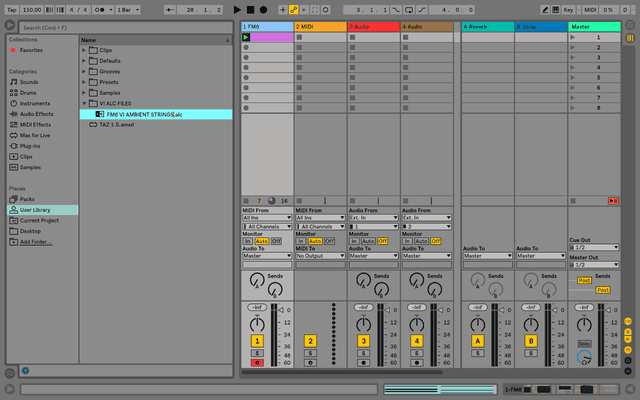
Ableton Live Clip (ALC) Files
ALC files store a clip's warp settings, automation, devices and effects - a reusable building block for your own sound library.
Read →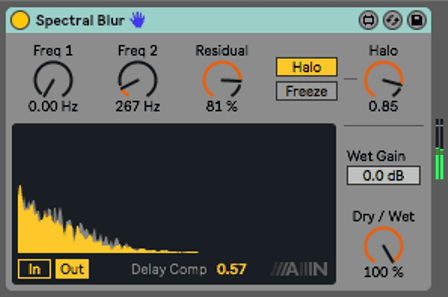
Spectral Blur in Ableton's Free Sample Pack
A Creative Extensions device that blurs a frequency range into a dense cloud of sound - reverb-like textures, and a freeze button.
Read →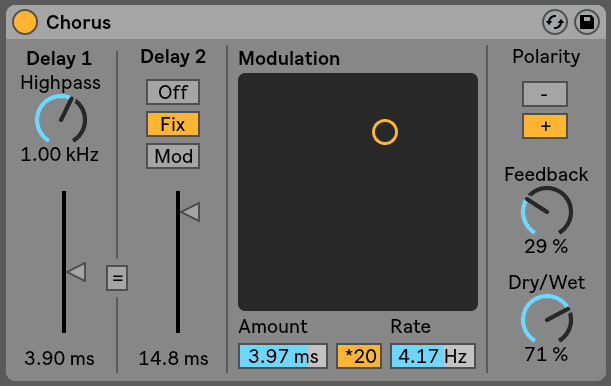
How To Make A Chorus Effect in Ableton
What a chorus actually does to a signal, and how to build one in Ableton to fatten up bass, rhythm guitar or a solo line.
Read →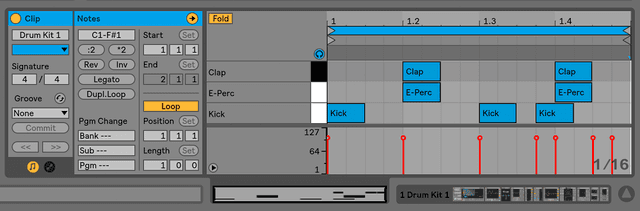
Velocity
Velocity is the force with which a note is played - and mapping it to more than volume is what stops MIDI sounding programmed.
Read →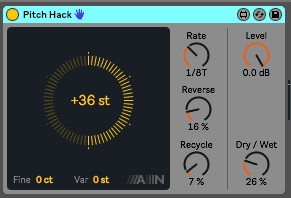
Pitch Hack in Ableton Live
A one-stop pitch device from Creative Extensions - a delay line with transposition, reversal, randomisation and feedback folding.
Read →
Sound Design with Macro Variations in Live 11
By Heinrich Zwahlen The ability to store the state of Macro Controls as preset variations in Racks has drastically increased the functionality of these already...
Read →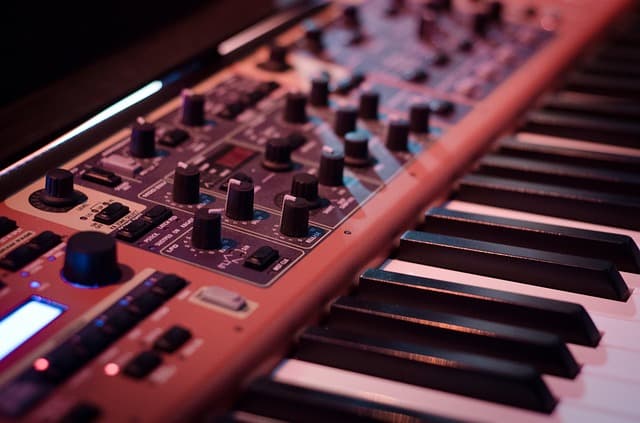
Ableton Instrument Basics
Instrument Basics [instrument-basics] What the heck is an instrument? Is it a MIDI thing? Is it audio? Is it a plug-in? An effect? The answer? Yes. It’s all of those things. In this chapter we will look at what makes software instruments so compelling. We will explore how and where they are loaded a
Read →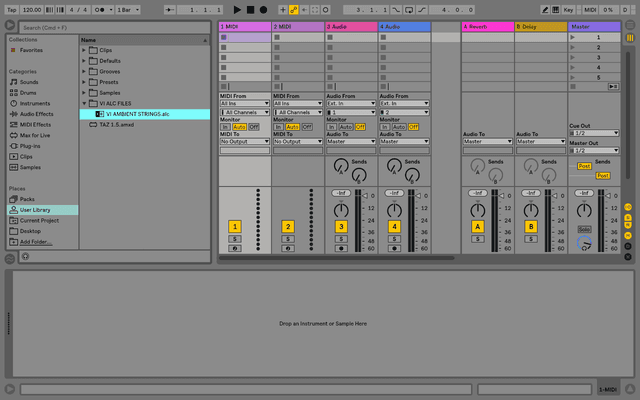
Housekeeping and Exporting in Ableton Live
AlunaGeorge Housekeeping [housekeeping] We’ve put this off long enough. Maybe too long, even. Look: we get it. We too, wish every movie could be a summer blockbuster, that you never had to go to the dentist, that every day were your birthday, and that every meal could be dessert. But it’s not. And t
Read →
Clip Editing Basics in Ableton Live
Clip Editing: The Basics [clip-editing-the-basics] So you’ve made some recordings. Live is playing it all back. You are looping, overdubbing, punching: Life is good. Does everything sound perfect? No? Don’t panic. You are in luck. Live has a plethora of tools to fix everything from the smallest deta
Read →
Recording, Punching, Overdubs and Looping in Ableton Live
Recording: Punching, Overdubs, and Looping [recording-punching-overdubs-and-looping] If every recording were a good one, recordings wouldn’t also be called ‘takes’. Or perhaps they’d be called ‘take-ones’. It’s only natural that sometimes you need to try it again. Sometimes you need to do the entire
Read →
Recording Basics in Ableton Live
AlunaGeorge Recording Basics [recording-basics] Up until now we’ve been reasonably happy to populate Live’s Session and Arrangement Views with pre-recorded content. But yes, now the time has come to record some things for ourselves! Lucky for you, it’s pretty easy. But fair warning: at this point, i
Read →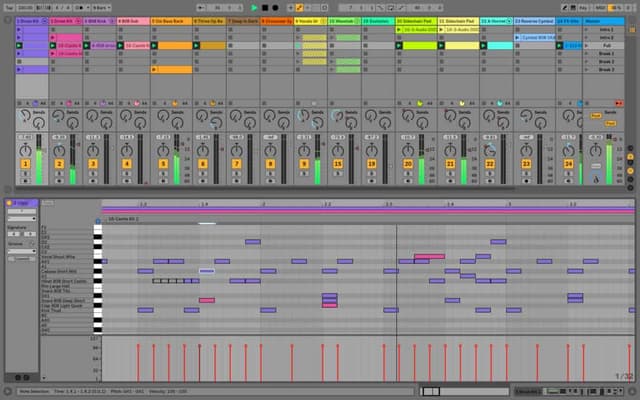
Ableton Live Topology and Navigation Basics
Topology and Navigation Basics [topology-and-navigation-basics] This is arguably the most important chapter you will read. It is here you will learn to navigate Live’s interface, selecting, moving, and manipulating as you work your way through your project. There is a lot in here. This chapter cover
Read →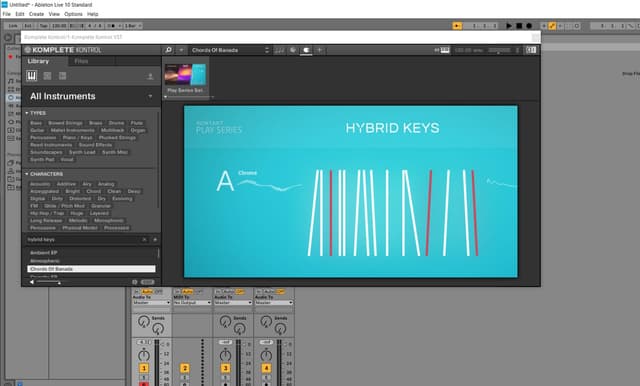
How to Use Native Instruments Komplete Plugins as FX in Ableton Live
Route Native Instruments plugins - FM8, Absynth, Kontakt, Reaktor - as effects on other instruments inside Ableton Live.
Read →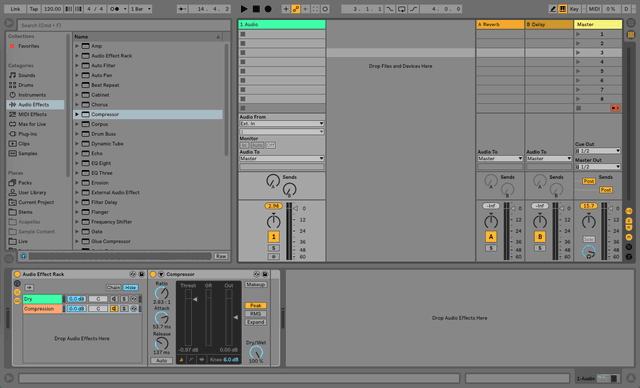
NYC Compression or Parallel Compression in Ableton Live
NY or Parallel compression is a dynamic range compression technique used in sound recording and mixing.
Read →