Mixing & Mastering
You've got the parts recorded - this is the bit that turns them into a record. Signal flow, EQ and compression, the effects rack, and what actually happens at mastering.
38 articles
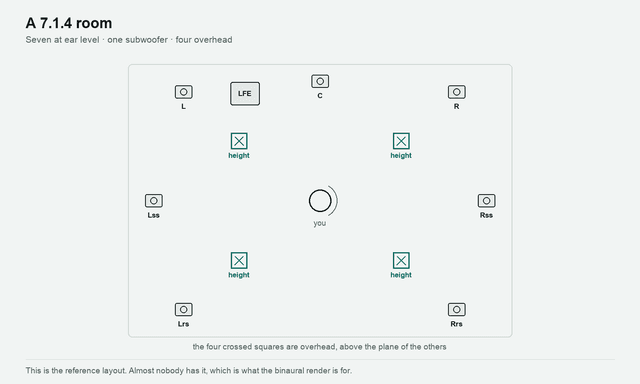
Mixing in Dolby Atmos
Not surround sound and not more speakers - a different way of describing where a sound is. Beds and objects, the room you probably do not have, why the loudness war was never possible in Atmos, what changes about mixing and what does not, and how to deliver it.
Read →
The Vocoder
A Vocoder – name derived from voice coder, formerly also called Voder – is a speech analyser and synthesizer.
Read →
Mixing Electronic Music
Some of you may be aware that the primary use for a gate is to reduce noise and any unwanted signal that is present in your recordings. For example you…
Read →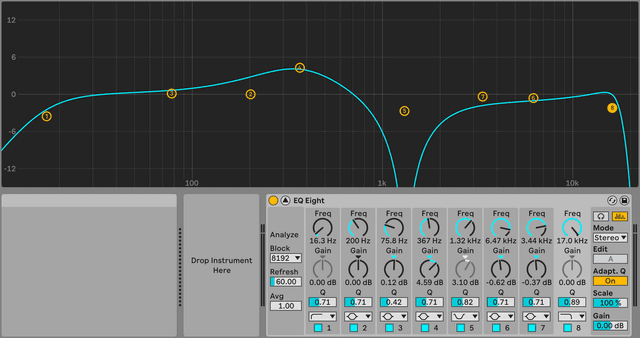
Equalization
Equalization is the process by which an equalizer is used to either boost or cut different frequencies in an audio signal in order to change its tonal…
Read →
Modulation
We have discussed the most common modulation effects such as chorus, flanging and phasing. Now it is time to investigate other modulation effects.
Read →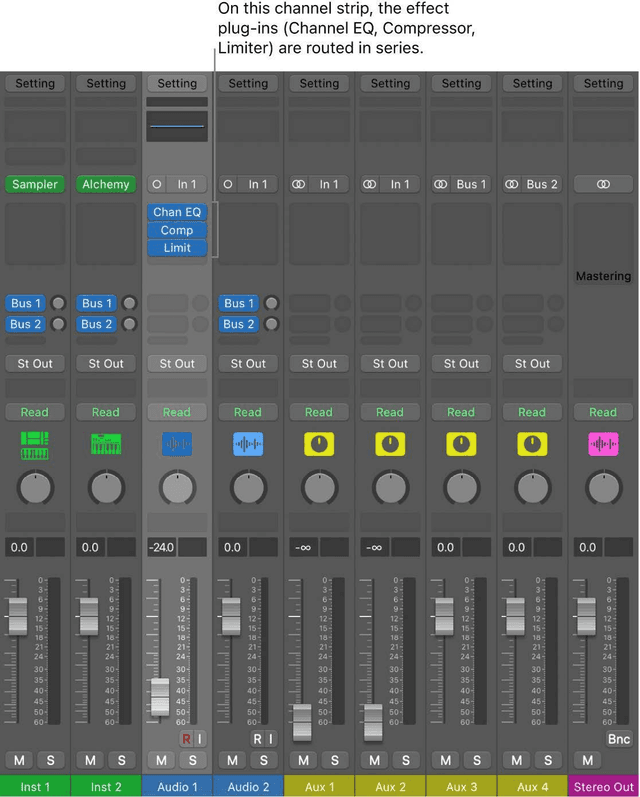
Signal Flow
Channel level is another important aspect of mixing, which begins to flesh itself out during the EQ’ing process. As each new element is introduced for…
Read →Automation: Mixing as a Performance
A mix is not a set of static positions. Fader rides, send moves, section steps and the four automation modes - plus the override that catches everyone.
Read →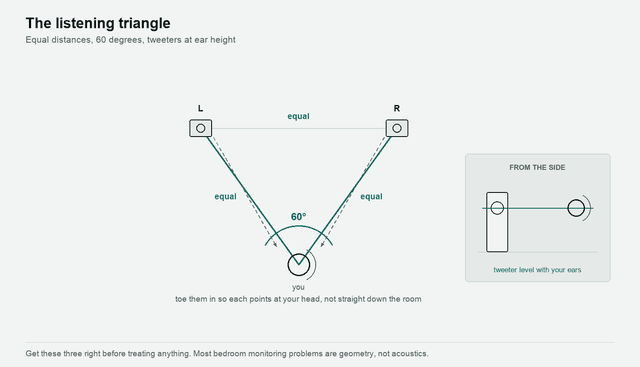
Monitor Placement
Typically you should be situating yourself and the two monitors at each corner of an equilateral triangle – pictured below – with you head positioned at…
Read →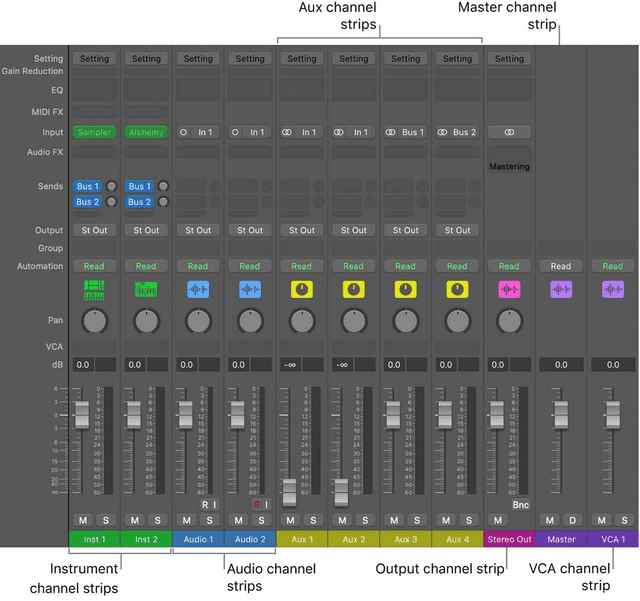
Mixing Desk Basics
Now we have an environment that isn’t coloring what we hear we can start to look at how we can improve the mix itself.
Read →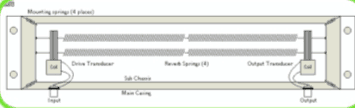
Reverb
When we experience a sound we are not only hearing it from the direct source, but also from the environment in which it is situated (reflections from…
Read →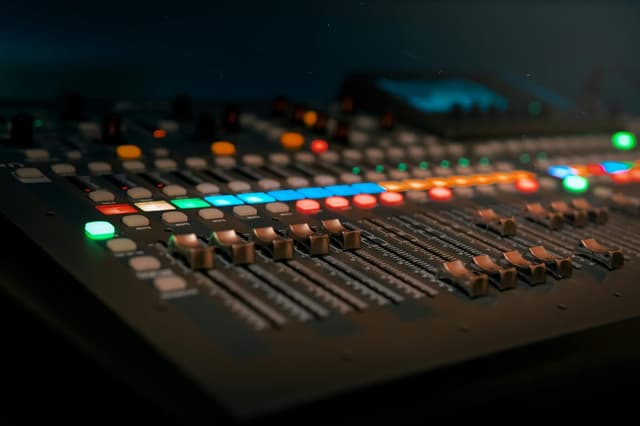
Vocals
Dynamic control is an essential part of recording vocals. The best dynamic control is achieved from someone who knows good mic technique, getting closer…
Read →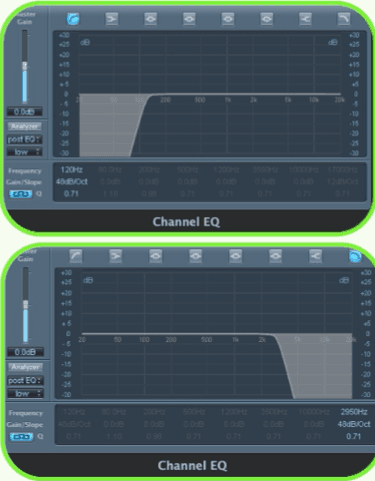
Filtering
There are many ways to access the power of filtering, but probably the easiest is to use a plug-in. Logic’s AutoFilter is a good example of Emagic’s…
Read →Mid/Side and Stereo Width
Mid is what the two channels share, side is what they do not. Splitting a mix that way lets you treat the centre and the edges separately - and it is the most common professional move that never appears in a beginner's mix.
Read →
More Creative Mixing Techniques
Creative mixing is all about taking a unique and innovative approach to the mixing process. Here are some tips to help you mix creatively:
Read →
Mastering
Mastering is a vital part of the recording process, so much so that a substantial amount of ‘mystery’ is associated with it. We’ve all heard stories of…
Read →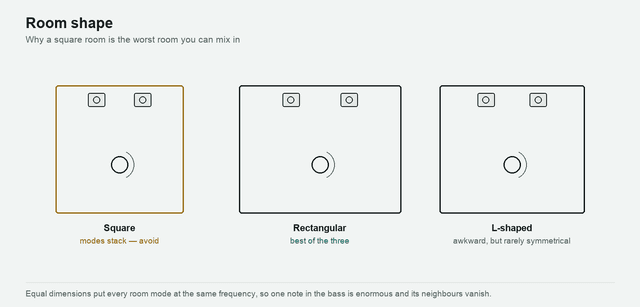
Acoustics: The Basics
The diagram depicted below illustrates three of the more typical room shapes: square, rectangular and L-shaped rooms. The most favourable positioning of…
Read →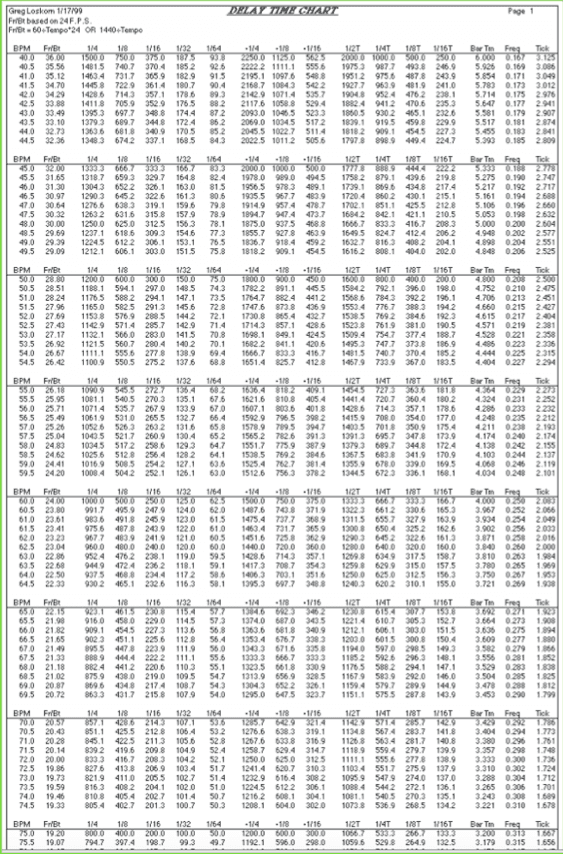
Delay
Much of the contemporary applications of music technology have shifted away from the natural into, arguably, more creative and artificial-sounding…
Read →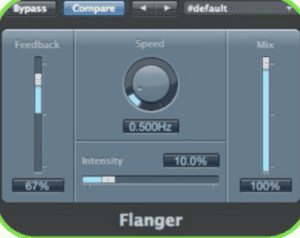
Phaser and Flanger
Phasing was the next purely electronic effect after the wah- wah and fuzz box, and it originally set out to emulate tape phasing. In the phaser, a signal…
Read →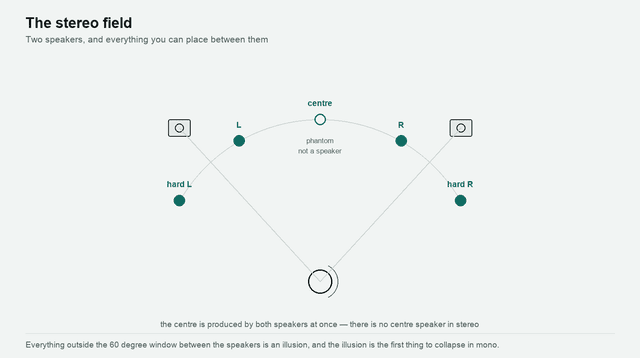
Basic panning techniques
The term stereo, short for stereophonic, involves the reproduction of sound using two separate audio channels that are then presented to a pair of…
Read →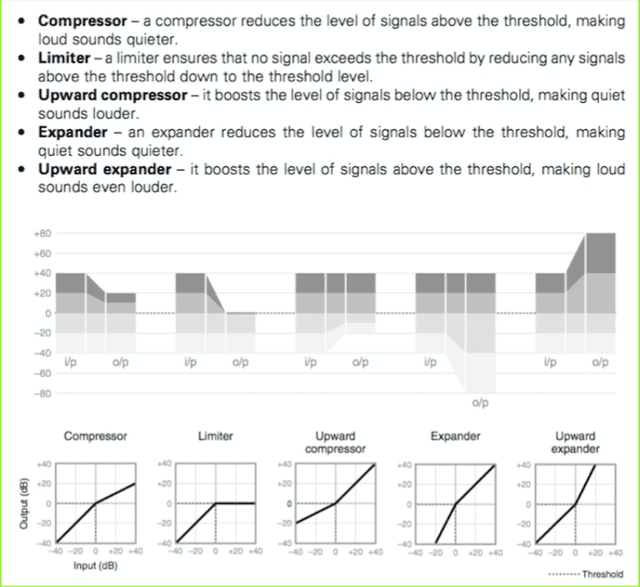
Dynamics
The human ear uses compression for pretty much the same reasons that we do in music, that being to control the level of an audio signal. As you may…
Read →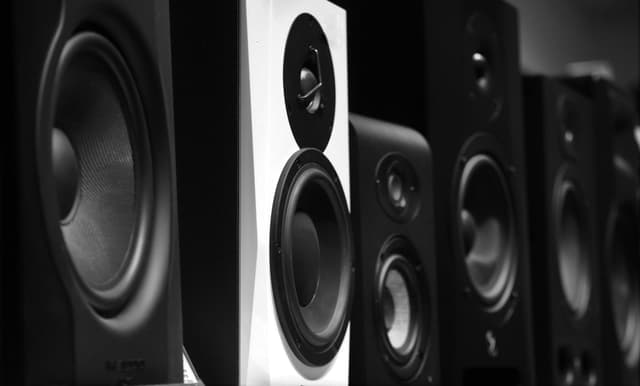
Choosing Monitors
Setting up your Monitors and your room – What are the different types of monitors? – How should your monitors be positioned? – Getting the best acoustics…
Read →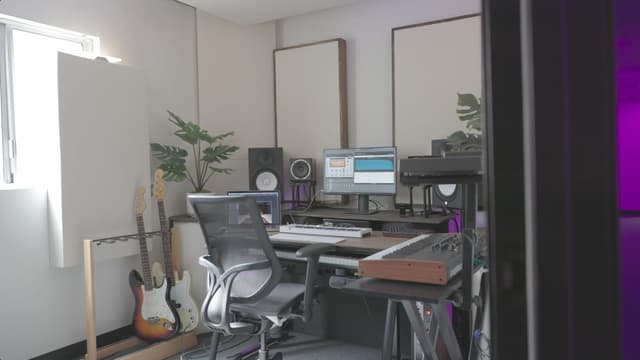
Mastering
A full guide to mastering - what it is, how multi-band compressors work on the master buss, choosing crossover points and prepping tracks.
Read →
Mixing Electronic Music
Creative gating and side-chaining for electronic music - gated reverbs, rhythmic gating, cleaner effects and upward compression.
Read →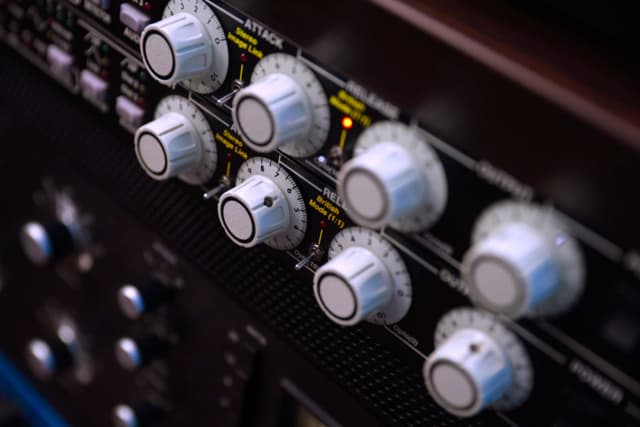
More Creative Mixing Techniques
Reverse effects, distortion, miced amps and the practical side of sample clearance - what it costs and how to avoid needing it.
Read →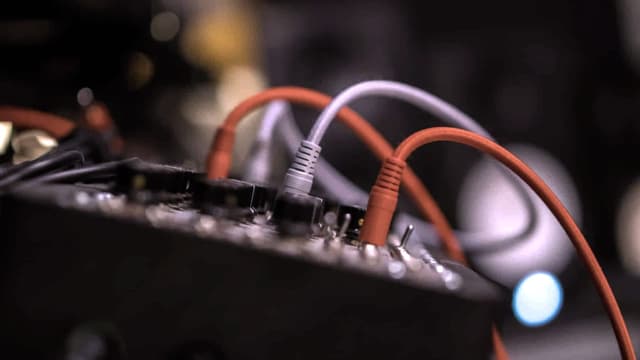
Modulation Effects
Beyond chorus and phasing: ring modulators, frequency shifters, Leslie cabinet simulation and auto-panners, and where each one belongs.
Read →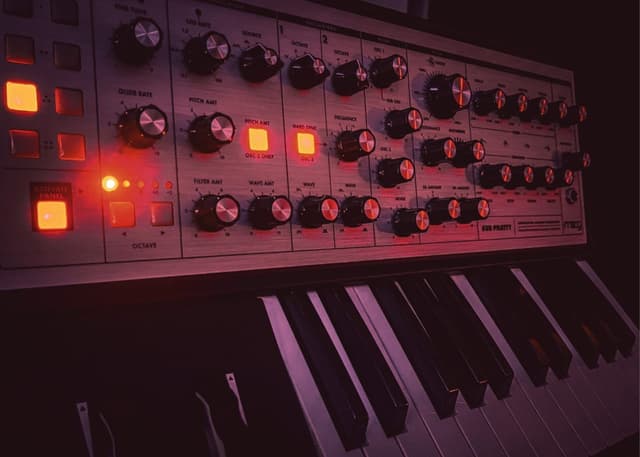
Filtering
How filters shape a sound - low-pass, band-pass, comb and notch - plus resonance, envelope control and using filters creatively in a mix.
Read →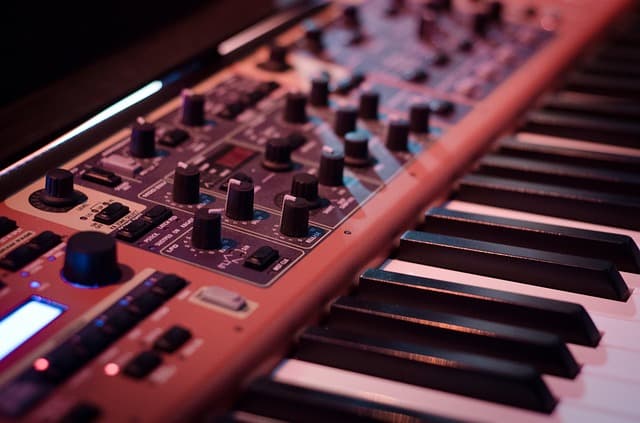
The Vocoder
What a vocoder actually does, the difference between carrier and modulator, how filter bands work, and how to sit one in a mix.
Read →
Recording and Mixing Vocals
Comping, tone control, mic modelling, de-popping, pitch correction, compression, reverb and delay - the full vocal chain, start to finish.
Read →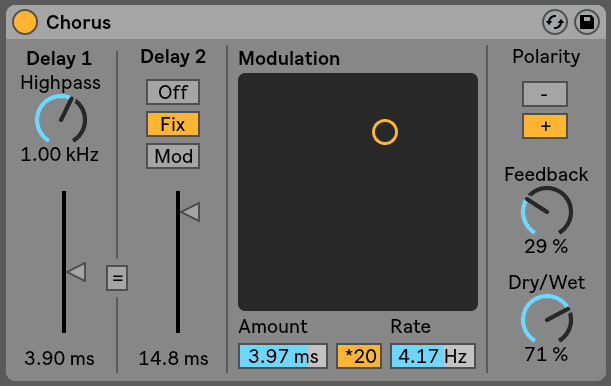
Phaser & Flanger
What separates a phaser from a flanger, the parameters that matter on each, and how to use them without wrecking your mix.
Read →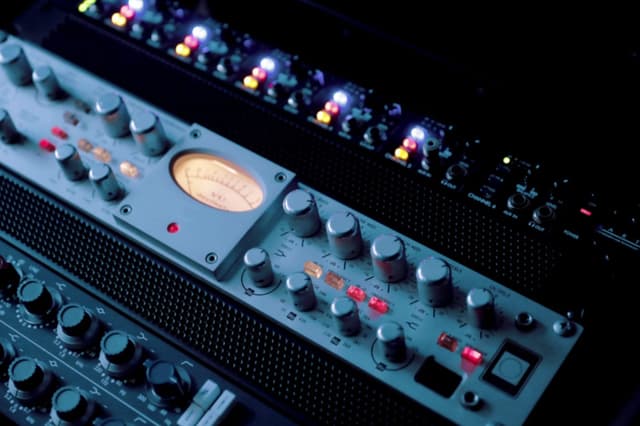
Delay
From tape echoes to ping-pong delays: the parameters, how to match delay time to tempo, and using delay as a real mixing tool.
Read →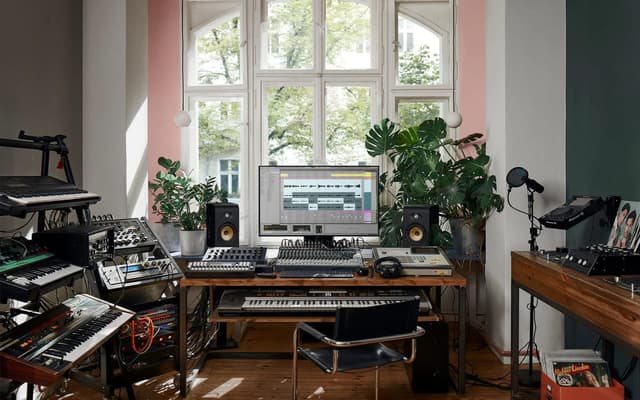
Reverb
Chambers, springs, plates and digital reverb - what each parameter does, and how to place a sound in a space without drowning the mix.
Read →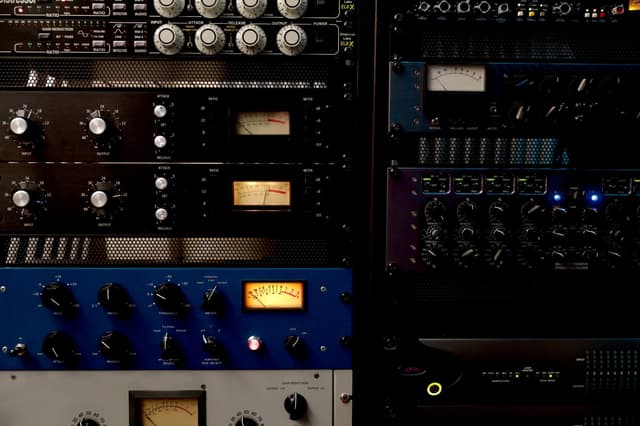
Dynamics
How compression works - attack, release, knee and look-ahead - plus noise gates and limiting, and what each is actually for.
Read →
Equalization
Shelving, peak and graphic EQ, what lives in each frequency band, and how to cut and boost - with starting points for kick, snare and bass.
Read →
Basic Panning Techniques
How to place instruments across the stereo field, why the low end stays centred, and how to avoid phase cancellation and masking.
Read →
Mixing Desk Basics
Subgrouping a mix, using reference tracks properly, and keeping your monitoring level honest over a long session.
Read →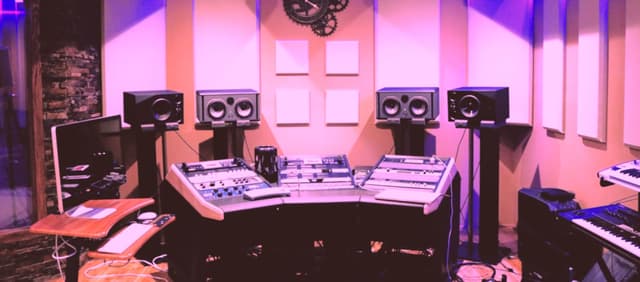
Acoustics: The Basics
Why room shape changes what you hear, what standing waves do to your low end, and what RT60 means for a small studio.
Read →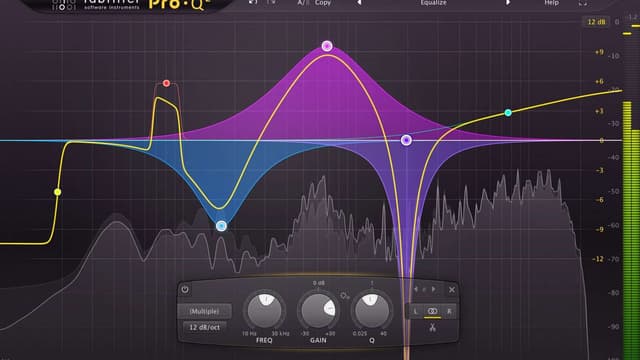
Signal Flow and Routing
Gain structure, why faders belong near unity, and how side-chain routing works - the plumbing that everything else in a mix sits on.
Read →
Mixing: The Short Version
The whole mixing process, condensed: zeroing the desk, subgrouping, panning, using your ears, and where ambience fits in.
Read →