Mastering
Audio Mastering Course
Our Mastering Course is designed for today’s multi-genre modern engineer. While being completely focused on mastering “in-the-box” (in a computer), we provide you with the ability to achieve that commercial sound through the understanding of various analog circuits and effect processors. You will leave with a fully mastered track, and all the steps to continue improving and forwarding your abilities for years to come.
Introduction & Mixing Recap
- →Reference Tracks
- →Speakers & Headphones
- →Frequencies
- →Dynamic Processing
- →Effects
- →Critical Listening
Metering and Rendering
- →Gain Staging
- →Meters used in Mixing & Mastering
- →Mixing Groups
- →Rendering your Premaster
- →How to Prepare for Mastering
Introduction to Mastering
- →History of Mastering
- →Setting up a Mastering Session
- →Overview of Ozone & FabFilter Suite
- →Critical Listening
Mid/Side
- →What is Mid/Side
- →History of Mid/Side
- →Mid/Side Techniques
Maximizers
- →What is a Maximizer
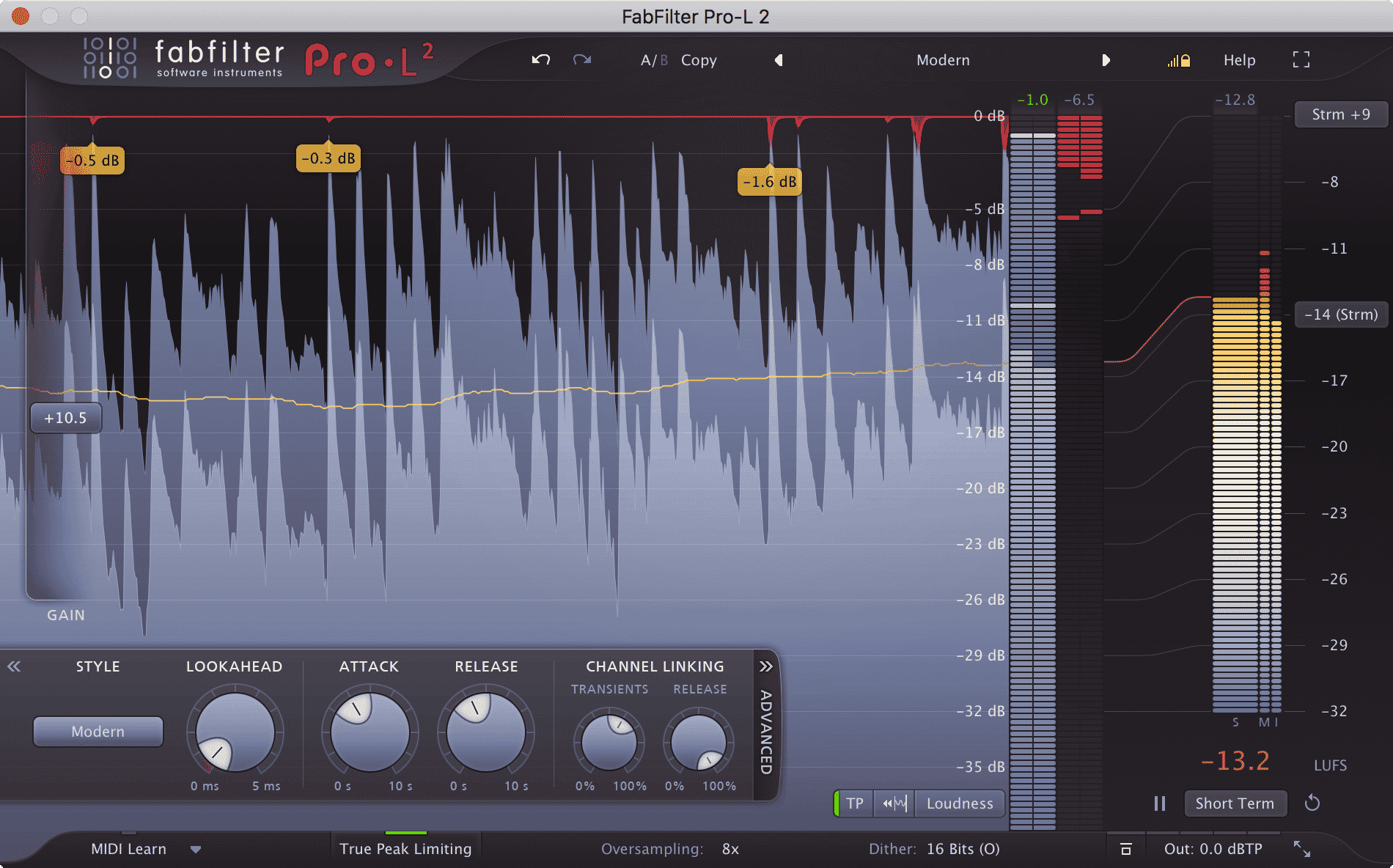
- →Ozone Maximizer & FabFilter Pro-L walk-through every function.
- →Practical Use
Creating A Mastering Chain
- →Creating an efficient Mastering Chain with Ozone & FabFilter
- →Step by Step Hands-on Instruction
- →In depth explanation of Modules & Signal Flow
Metering / Phase & Dithering Analysis / Stem Mastering
- →Meters used in Mastering
- →Phase & Dithering
- →Stem Mastering for Clients
Advanced Mastering
- →Expanding Your Mastering Chain
- →Using Virtual-Analog Signal Processors
Mastering for Streaming Audio & Broadcasting
- →Explanation & History
- →Modern Day Application
Referencing, Finalizing, Exporting
- →How to Reference
- →Finishing Up
- →Exporting
- →Group Critique
The techniques can be applied within any digital audio workstation, which learners are required to bring with them. Classes are available in-person or LIVE Online.
This course is available live online, taught in real time by Garnish instructors from across our network of campuses, in the same small-group format as our in-person classes, using our specialist music collaboration software, Muse. Discover qualities that distinguish us, here.
Questions we hear a lot.
Today's multi-genre modern engineer - anyone who wants to master their own or clients' music to a commercial standard.
Yes, entirely in the computer - while teaching you how analogue circuits and effect processors shape that commercial sound.
Use the Connect button on this page to request the current schedule and price; one of our placement team will reply within a business day.
A fully mastered track of your own, and every step you need to keep improving afterwards.
A computer with your DAW and a decent pair of headphones or monitors for the live online sessions.
Ready to get started?
InquireWhat makes Garnish different?
Mastering
Mastering is a vital part of the recording process, so much so that a substantial amount of ‘mystery’ is associated with it. We’ve all heard stories of…
Read →Mastering
A full guide to mastering - what it is, how multi-band compressors work on the master buss, choosing crossover points and prepping tracks.
Read →Delay
Much of the contemporary applications of music technology have shifted away from the natural into, arguably, more creative and artificial-sounding…
Read →Phaser and Flanger
Phasing was the next purely electronic effect after the wah- wah and fuzz box, and it originally set out to emulate tape phasing. In the phaser, a signal…
Read →More Creative Mixing Techniques
Creative mixing is all about taking a unique and innovative approach to the mixing process. Here are some tips to help you mix creatively:
Read →Delay
From tape echoes to ping-pong delays: the parameters, how to match delay time to tempo, and using delay as a real mixing tool.
Read →