Songwriting
Where songs actually come from: lyrics that land, melodies people remember, chords that hold them up. Including whether you need to play an instrument at all to write one.
52 articles
Point of View
First, second and third person; who the singer is singing to; tense and time; shifting perspective between sections; and writing in character.
Read →Scales and Keys
The major and natural minor scale formulas, building any scale from them, relative majors and minors, key signatures, and the circle of fifths as a map of related keys.
Read →Titles as Hooks
Why the title is the most important line in a song, what makes a strong title, where to place it, and how to build a whole song outward from one.
Read →Rhyme and Meter
Perfect, family, additive, assonance and internal rhyme; rhyme schemes and where to break them; stressed and unstressed syllables; and the metric feet - iamb, trochee, spondee and more - that shape a line.
Read →Rhythm: Note Values, Syncopation and Feel
Whole notes to 64ths, dotted notes, rests, offbeats and syncopation, 4/4 and 3/4 in the DAW, and the shuffle - with a triplet-grid exercise.
Read →Supporting Rhythmic Parts: Comping, Arpeggios and Ostinatos
The parts between the bass and the melody - comping, stabs, arpeggios, ostinatos and riffs - and how to write them so they support the song instead of crowding it.
Read →Tips for a Terrific Track
A composer's checklist for a finished song - the hook, the structure, contrast, the first thirty seconds, the low end, space, and the questions to ask before you call a track done.
Read →Chords and Progressions
Building triads, deriving the seven diatonic chords of a key, Roman numerals, the common progressions behind thousands of songs, and the emotional character of different chord moves.
Read →Hooks: What Makes a Song Stick
Melodic, lyrical, rhythmic and sonic hooks, where to put them, how many a song needs, and how to write and test one.
Read →What Happens Next: From Finished Song to the World
Protecting and registering a song, agreeing splits, releasing and pitching it, collaborating, and where the rest of the Academy picks up the business of music.
Read →The Language of Music: Notes, Intervals and Definitions
Pitch, notes and octaves, naturals and accidentals, enharmonic equivalents, tones and semitones, intervals, and the terms you will meet throughout the theory chapters.
Read →Pads and Strings
Writing sustained harmony - voicing pads, voice leading, string section ranges and roles, legato and staccato articulations, and making sampled strings sound real.
Read →What Makes a Hit
There is no formula, but hit songs share traits - a strong hook, a universal idea told specifically, emotional honesty, simplicity, surprise, and timing. What each means and how to aim for it.
Read →Writing Melodies
Contour, range and steps versus leaps; motifs, repetition and variation; rhythm in melody; chord tones on strong beats; and call and response.
Read →
Write with Soul
Writing from the heart - choosing subjects that matter to you, focusing on one emotion, being honest without being literal, and putting the emotion where listeners actually hear it.
Read →Analysing Songs: Tools and Case Studies
How to analyse a song like a producer - structure, key, chords, melody and arrangement - with free tools like Hooktheory and muted.io, and a set of songs worth taking apart.
Read →Working with Vocalists
Choosing the key for a singer, writing in their range, guide vocals and toplines, briefing and recording a vocalist, and keeping a session creative.
Read →Composing Basslines: Harmony from the Bottom Up
The bass as the harmonic foundation - roots and inversions, pedal points, counter-melody and riff, outlining chords, and writing a bassline before the chords.
Read →Imagery: Writing for the Senses
Turning feelings into pictures - sensory detail across sight, sound, touch, taste and smell, concrete versus abstract language, and building a scene the listener can step into.
Read →Composition for Producers: Theory as a Tool
Why producers need music theory, which concepts matter most in a DAW, and the exercise that turns a scale into a song in an afternoon.
Read →Incongruity, Nonsense and Surprise
Breaking expectations on purpose - unexpected words and images, twists that change a title's meaning, deliberate nonsense, humour, and the single surprising moment every memorable song needs.
Read →Metaphor, Simile and Analogy
Comparisons that make lyrics vivid - simile, metaphor, extended metaphor and analogy - how to find fresh ones, how to sustain them across a song, and how to avoid mixing them.
Read →Harmony, Tension and the Modes
Consonance and dissonance, the pull of the tonic, why V wants to go to I, the seven modes and their colours, modal interchange, and reading a progression that changes key.
Read →Synergy: The Marriage of Lyric and Music
Prosody in depth - making the music say what the words say. Stress and beat, melodic emphasis, word painting, harmonic and rhythmic support, and deliberate contradiction.
Read →Seventh Chords, Extensions and Chord Variations
Major sevenths, minor sevenths and dominant sevenths, ninths, elevenths and thirteenths, sus chords, inversions, and how to make one chord do the work of several.
Read →
Lyric Tips: Writing Better Lyrics
Having something to say, showing rather than telling, specific detail, conversational language, a consistent voice, avoiding cliché, and editing a lyric until every line earns its place.
Read →Song Structure and Mapping Energy
Intro, verse, pre-chorus, chorus, bridge and outro - why so many songs share the same shapes, how energy rises and falls across a track, and how to map a reference song.
Read →Taking a Composition into the Studio
From sketch to production - demos, references, arrangement decisions, writing in the DAW versus at an instrument, finishing, and staying organised.
Read →Anaphora, Contrast, Alliteration, Assonance and Consonance
The sound devices that make lyrics sing - repeating the start of lines, setting opposites side by side, and repeating consonant and vowel sounds - with examples and exercises for each.
Read →Symbolism
Objects, colours, places and actions that carry meaning beyond themselves - personal and universal symbols, recurring motifs, and letting a symbol change across a song.
Read →Repetition, Repetition, Repetition
Why repetition is the most powerful tool in songwriting, the levels it works on - words, lines, melodies, sections - and how to repeat without boring the listener.
Read →And Finally: Steps to a Finished Song
Getting from draft to finished song - rewriting, the editing checklist, demoing, co-writing etiquette and splits, feedback, and knowing when to stop.
Read →
Songwriting: Topline Habits, Techniques and Exercises
What a topliner does, lyrics-first versus music-first, the daily habits professional writers keep, and the exercises that get the creative juices flowing when nothing will come.
Read →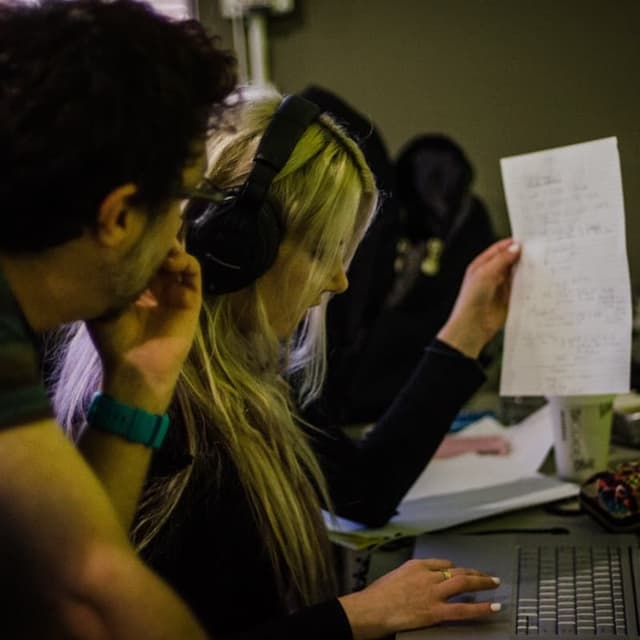
Topline Melody: Tips, Tricks and Devices
Landing on the tonic, the compelling moment, steps and leaps for energy, inverting a melodic idea, rhythmic pockets in a track, range across sections, and repetition in melody.
Read →Rhythm Beyond 4/4: Compound Time, Clave and Odd Meters
6/8, 12/8 and 3/4, the tresillo and clave as rhythmic keys, odd time signatures, offsets, polyrhythm and free meter - with listening examples for each.
Read →Lyrics for Composers: Prosody, Syllables and Sections
How words and music fit together - stressed syllables on strong beats, vowel choice for long notes, what each section of a song does lyrically, and how to set a lyric to a melody.
Read →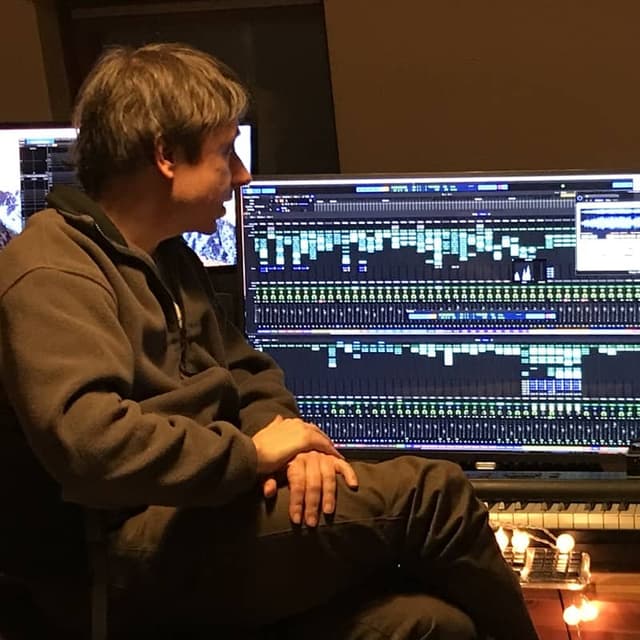
Free Hit Songwriting Tips From A No.1 Hit Selling Songwriter
In this video, our no. 1 hit selling songwriting instructor Alex Von Soos gives us a little taster of what you can expect on our Hit Songwriting course, jam packed full of songwriting tips from a top songwriter with record sales in the millions. Songwriting Tips | Become a Songwriter Music: Mountain
Read →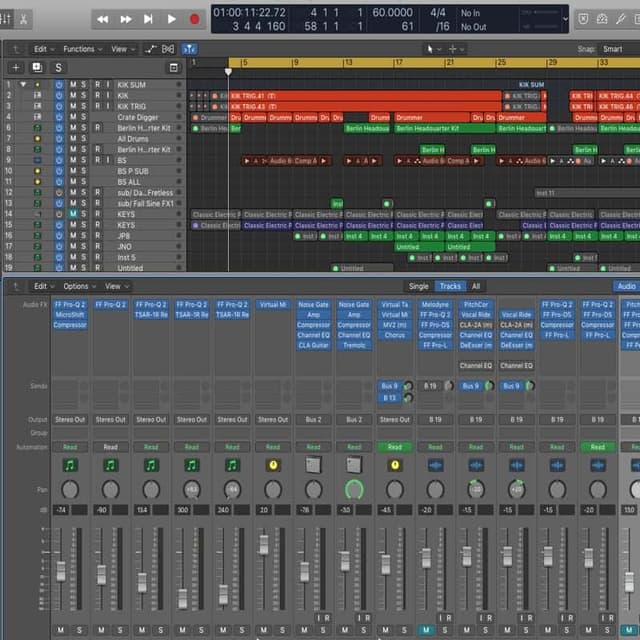
Songwriting, Music Composition writing chords and bass lines
A last day with a songwriting and composition class - chord sequences, melody, structure, rhythm, lyrics, arrangement and bass lines.
Read →
The Advantages of Using Free Songwriting Software
There are hundreds of songwriters out there, but some of them are much better than the others. One of the main reasons for that is that successful songwriters are able to create radio-friendly songs. In the past, songwriters were relying solely on their senses and talent. Of course, these two things
Read →
How to Write a Song With Good Lyrics | Writing a Song
Which comes first, the lyrics or the music? Writing a song is easy but writing a great song isn't. Have you ever wondered how to write a song with good lyrics and a good melody? I've been lucky enough to work with some of the most successful songwriters in the world including Cathy Dennis, Wayne Hec
Read →Songwriting: How to Write Better Lyrics
by Chris Porter Communicate, connect and feedback. This is critical. A great (or at least, better!) lyric has something to say and knows how to say it. The subject matter is irrelevant if you get this critical step right. Run your ideas past trusted ears. If you’re getting a lot of blank looks, it’s
Read →5 Useful Tips on How to Write Beautiful Song Melodies
Melodies make an integral part of music composition. They are one of the prime reasons why some songs etch in our hearts forever and ever. However, arranging the notes to make a meaningful tune is not a very easy job for many.
Read →
Do you have to be able to play an instrument to produce and write songs?
Do you have to be able to play an instrument to produce and write songs? by Chris Porter The moment you set foot inside of songwriting, it can feel as if you are going to be judged. By your peers, by the casual observer, by anyone who feels you might benefit from their opinion! And there’s an awful
Read →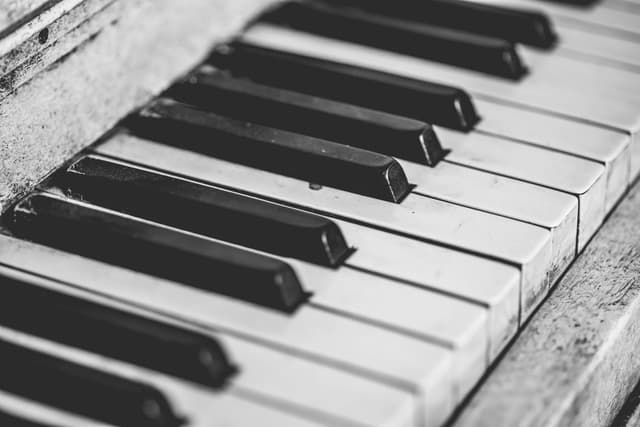
Major, minor and extended chords on the keyboard and piano
Music theory practice, part two: major, minor and extended chords on the keyboard, and how to voice them.
Read →
Music theory practice, chord progressions, keys and scales
A music production college once asked me to teach music theory and composition - chord progressions, keys and scales, from the ground up.
Read →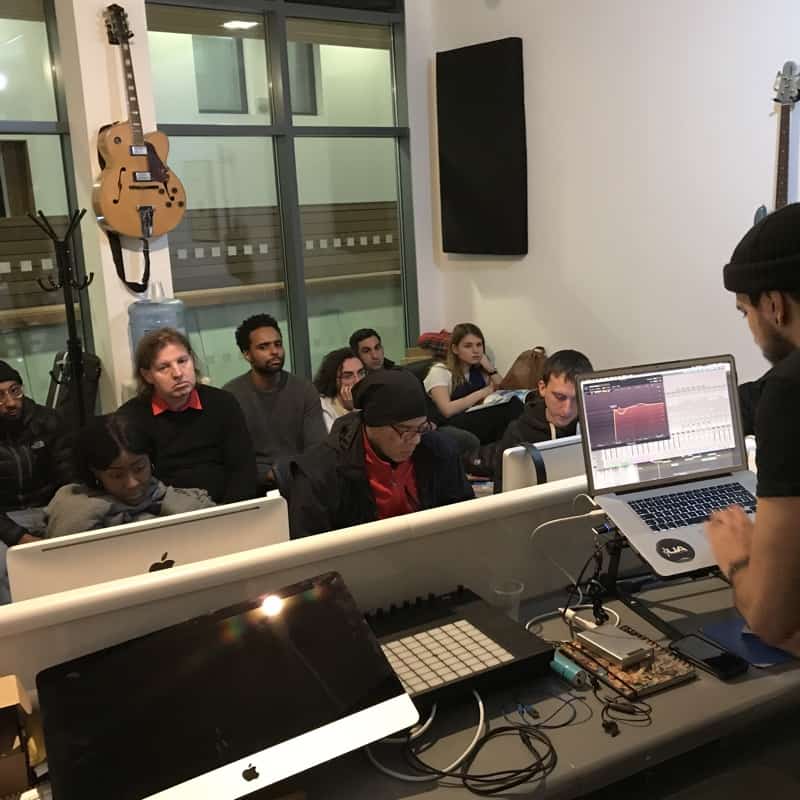
Can You Learn How To Become a Songwriter? | Songwriting Help
Songwriting is a gift, but it is also a craft - and the craft half can be taught. What you can learn, and what you cannot.
Read →The Art of Soulful Songwriting
by Chris Porter Most people can tell right away when an artist is writing from the heart.
Read →Songwriting Guide For Beginners
It is absolutely okay if you’re not Johnny Cash or David Bowie, you can still write a song for that guitar tune in your head or vice versa. Songwriting is a skill indeed, however, with enough practice and right use of your imagination you can master this skill and begin writing masterpieces in no ti
Read →
Music Video Ideas for Artists — That Aren’t Music Videos
Did you know that YouTube traffic makes up nearly a ⅕ of ALL internet traffic? Similarly, quite a bit of that is music consumption. It’s also common for labels to upload an audio tracks as video for YouTube,
Read →
Skills Every Musician Should Know
Whether you’re a budding producer, DJ or a brand new indie artist -- most of the time the focus is purely on the music, and that’s about it. However, soon enough, you’ll realize that there’s much more involved in just putting on music.
Read →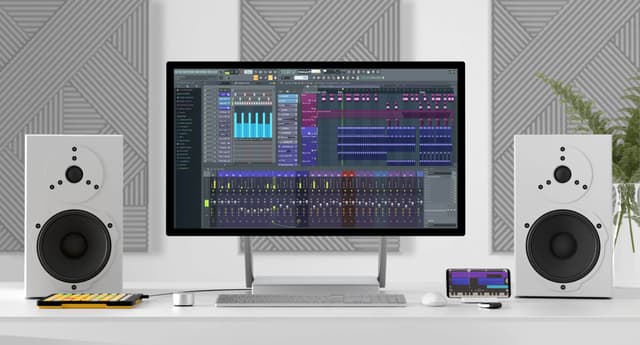
DIY Home Recording Studio Tips
As early as 2010, if you wanted to put together an album you were pretty much forced to shell out cash to a local recording studio. Or, even worse, you pretty much needed a record deal with a label of some sort.
Read →
Logic pro 9 Environment Chord Memorizer: Musical tips
The Chord Memorizer in Logic's environment layer, and how to use it as a shortcut for writing chords.
Read →