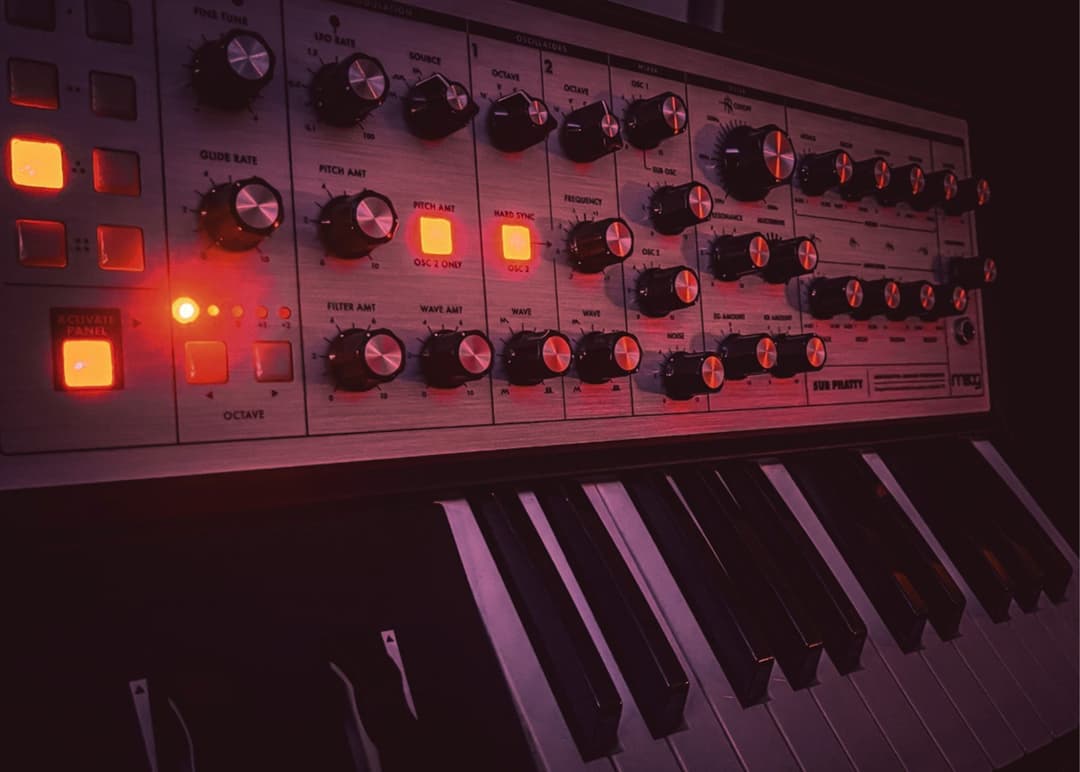
Pulse wave modulation (PWM) is a technique used to manipulate the pulse width of a waveform, typically a square wave or pulse wave. This modulation technique, known as Pulse Wave Modulation, is widely used in the realm of electronic music production and sound design. PWM is often employed in synthesizers to create complex and evolving sounds by modulating the pulse width of a waveform over time. For instance, by adjusting the pulse width, sound designers can transition a sound from a bright, sharp tone to a warmer, more rounded timbre. Additionally, the impact of Pulse Wave Modulation on sound design cannot be overstated.
Understanding Pulse Wave Modulation in Sound Design
Understanding Pulse Wave Modulation is crucial for artists aiming to enhance their sound design skills.
When a waveform is modulated using Pulse Wave Modulation (PWM), the width of the pulses in the waveform is varied, which changes the harmonic content of the sound. This variation creates a diverse range of different timbres and textures. For example, a narrow pulse width can yield a bright, cutting sound, while a wider pulse can produce a fuller, more resonant tone. PWM can be utilized to create a wide variety of sounds across multiple genres, including deep basses, soaring leads, lush pads, and intricate sound effects. Artists often utilize Pulse Wave Modulation to add character and depth to their tracks, making their sound more unique and engaging.
Pulse Wave Modulation can be controlled manually using a dedicated PWM knob or slider on a synthesizer, or it can be modulated using an LFO (Low-Frequency Oscillator) or other modulation sources. Advanced synthesizers may even offer the ability to sync the Pulse Wave Modulation rate to the tempo of the music, allowing for the creation of interesting rhythmic patterns and dynamic textures. This synchronization can lead to effects that evolve alongside the progression of the track, adding layers of complexity to the music. Furthermore, Pulse Wave Modulation can be combined with other modulation techniques like envelope modulation, which allows the sound to change over time, creating a more dynamic listening experience.
Understanding Pulse Wave Modulation also helps in grasping the nuances of sound design.
Serial filtering is a technique used to apply multiple filters in series to a sound or signal. When filters are applied in series, each filter processes the sound and removes or modifies certain frequencies, and the resulting sound is then passed through the next filter, which further processes the sound. This sequential processing can lead to a more refined and tailored sound, as each filter can target specific frequency ranges independently.
This technique can be used to create a wide range of different sounds and effects, from subtle frequency shaping to more extreme filtering and sound manipulation. For example, a high-pass filter can effectively remove low frequencies from a sound, resulting in a sound that feels lighter and more airy. Conversely, a low-pass filter can be utilized to remove high frequencies, which can create a warmer, smoother tone. By applying these filters in series, the resulting sound can be shaped in a more complex and nuanced way. Additionally, using band-pass and notch filters in combination can achieve even more sophisticated sound sculpting, allowing for precision in sound design.
Overall, Pulse Wave Modulation and serial filtering are key to achieving a unique sound signature.
Serial filtering can also be used in conjunction with Pulse Wave Modulation and other effects such as distortion, delay, or modulation to create even more complex and interesting sounds. For instance, a sound could be filtered to remove certain frequencies, passed through a distortion effect to add grit and character, and then modulated using an LFO to create movement and interest within the sound. This layering of effects can lead to rich, textured soundscapes that captivate listeners. Moreover, serial filtering allows producers to experiment with the order of effects, which can drastically alter the final outcome of the sound. For example, placing distortion before filtering may yield different results than filtering before distortion.
In the landscape of electronic music and sound design, understanding both PWM and serial filtering is essential for artists looking to innovate and push the boundaries of their sound. By leveraging these techniques, musicians can explore new sonic territories, create signature sounds, and ultimately engage their audience in more profound ways. Continuous experimentation with PWM and serial filtering can lead to the development of a personal sound palette that sets a producer apart in a crowded field.
Furthermore, with the rise of software synthesizers and powerful digital audio workstations (DAWs), experimenting with Pulse Wave Modulation and serial filtering has never been more accessible. Many modern DAWs come equipped with built-in synthesizers and filter plugins that allow for intuitive sound design. Users can visualize the modulation and filtering processes, enabling a deeper understanding of how changes affect the sound. Tutorials and online courses are abundant, providing aspiring sound designers with the knowledge they need to master these techniques, particularly Pulse Wave Modulation.
http://solzorro.comIn conclusion, Pulse Wave Modulation and serial filtering are pivotal techniques in the toolkit of any sound designer or electronic music producer. Mastering these concepts not only enriches the sound but also enhances the creative process, allowing artists to express their unique musical vision. As technology continues to evolve, the potential for innovation within Pulse Wave Modulation and serial filtering only grows, inviting musicians to explore, expand, and redefine the auditory landscape.